
- Share
-

-

-

-

-

August 23, 2026The Price We Pay for Convenience
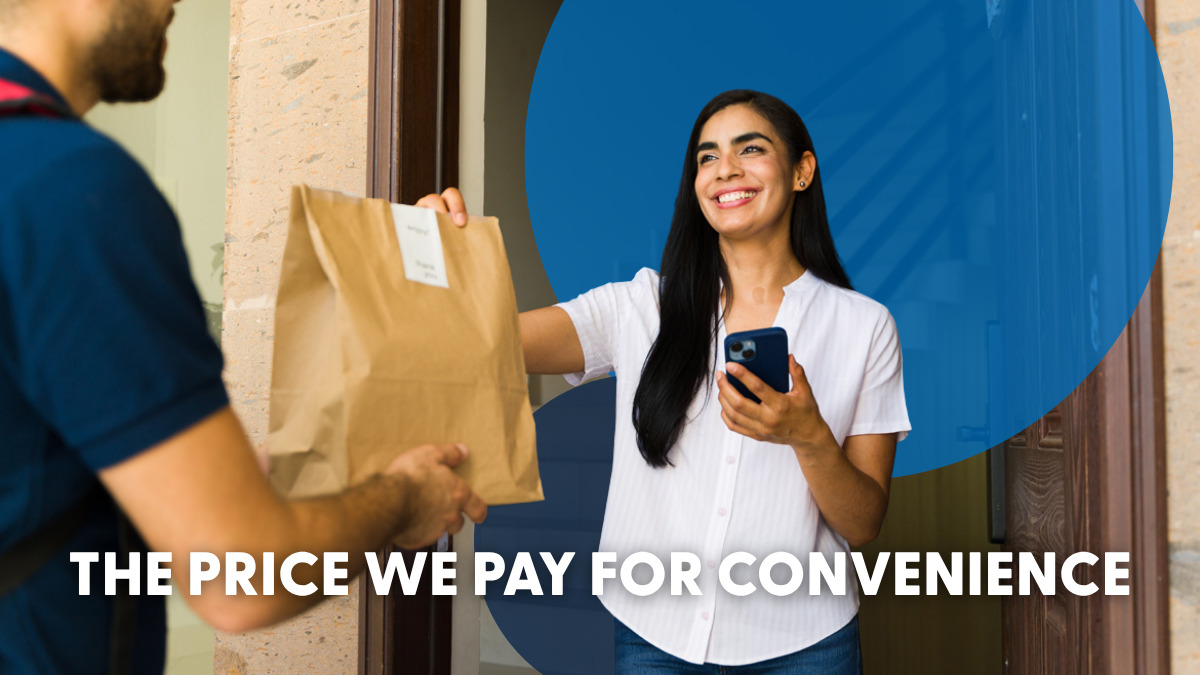
Not too long ago, picking up dinner meant stopping at a restaurant on the way home, and shopping meant making a trip to the store. Today, meals, groceries, and countless everyday purchases can be delivered right to your doorstep with just a few taps on your phone.
Convenience has made life easier, but it’s also changed the way many of us spend money. Sometimes the extra cost is obvious. Other times, it’s built into fees, subscriptions, or interest charges, gradually becoming part of our monthly budgets. Understanding those trade-offs can help you make wiser financial decisions while still enjoying life’s little conveniences.
Why Convenience is So Powerful
Convenience isn’t about avoiding work. It’s about saving time. Businesses know that the easier it is to buy something, the more likely people are to follow through with the purchase.
Over the years, shopping has gradually become faster and simpler, removing many of the steps that once gave us time to think.
Consider many of the conveniences we enjoy every day:
- One-click purchasing
- Saved payment methods
- Mobile wallets
- Auto-renewing subscriptions
- Same-day delivery
- Buy online, pick up in store
- Grocery and meal delivery services
- Buy Now, Pay Later payment options
Most of these services solve real problems. They help busy families manage hectic schedules, save trips across town, and simplify everyday tasks.
At the same time, they can make it easy to overlook what we’re actually paying for that extra flexibility. In many cases, those added costs arrive a few dollars at a time and largely go unnoticed.
The Many Costs of Convenience
The price of convenience can take several different forms. Some are easy to pinpoint, while others are much easier to miss.
- Convenience Fees
Many services attach additional charges to the purchase itself, including:
- Delivery fees
- Service charges
- Processing fees
- Membership costs
- Rush shipping fees
It’s natural to focus on the advertised price of the product and pay less attention to the extra charges that appear at checkout. Yet those smaller expenses have a way of adding up over the course of a month.
- Paying More for the Same Product
Food delivery apps may list higher menu prices than the restaurant. Grocery delivery services sometimes mark up products. Airport convenience stores have built entire business models around travelers paying premium prices because they need something immediately. Even pre-cut fruit and prepared meals generally cost more than buying the ingredients yourself.
None of these purchases will make or break a budget on their own. The impact comes when they become regular habits, and you become accustomed to paying premium prices for the sake of convenience.
- The Cost of Financing Convenience
Modern payment options have made it easier than ever to separate buying something from paying for it. Credit cards and Buy Now, Pay Later programs can be excellent financial tools. They can help cover emergencies, manage cash flow, or spread out the cost of a larger planned purchase.
The challenge comes when everyday convenience purchases linger long after they’re enjoyed.
Imagine ordering a quick dinner after a busy day:
- Restaurant meal: $15
- Delivery markup: $2
- Service fee: $3
- Delivery fee: $3
- Tip: $5
- Total: $28
By itself, that may fit comfortably into your budget. But if that purchase sits on a high-interest credit card for several months, the final price becomes much higher.
The same idea applies to Buy Now, Pay Later services. Breaking a purchase into smaller payments can be helpful in certain situations, but it can also make it easier to lose track of how much is being spent each month.
- The Subscription Economy
Convenience has also created a world of recurring monthly charges. Streaming services, music apps, software memberships, cloud storage, meal kits, and premium shopping programs all offer useful benefits.
The problem is that many people sign up for them over the years and rarely stop to assess how many are still being used. Taking a few minutes once or twice a year to review your current subscriptions can free up money for other financial goals.
Convenience vs Value
There are plenty of situations where paying a little extra makes perfect sense. Having groceries delivered while recovering from surgery can be a tremendous help. Ordering takeout during a particularly busy week may reduce stress and give you more time with your family. Paying for software that saves hours of work every month can be a smart investment.
A simple question can make many spending decisions easier:
Am I paying for convenience because it makes my life better, or simply because it’s the easiest option available?
There isn’t always a right or wrong answer. The goal is simply to recognize the difference.
How to Keep Convenience from Taking Over Your Budget
You don’t have to give up modern conveniences to stay on track financially. In many cases, a few small adjustments are all that’s needed.
- Create a Waiting Period
For non-essential purchases over a certain amount, try giving yourself 24 hours before clicking the buy button. You may discover that some purchases were worth the wait, while others lose their appeal after a little time passes.
- Pay Yourself First
Building savings is often easier when you don’t have to think about it.
Automatic transfers and payroll deductions allow you to put your savings on autopilot – giving you the opportunity to work toward your goals before everyday spending gets in the way. It’s a simple habit that can make a big difference as your savings continue to grow.
- Review Your Week
Spend a few minutes looking back over your checking account and credit card statements.
Ask yourself:
- Which purchases solved a real problem?
- Which ones genuinely made life easier?
- Which ones happened simply because they were available?
Don’t put yourself down if your spending is too frivolous. This exercise is simply about understanding where your money is going and becoming aware of your spending patterns.
- Keep Small Purchases Small
If possible, avoid financing everyday expenses like coffee runs, entertainment, and takeout meals. Yes, credit cards can be valuable financial tools when balances are paid in full.
However, too often we end up carrying the cost of today’s lunch well into the future.
- Build a Little Friction Back into Spending
Sometimes, making it a little less convenient to spend money leads to better financial decisions.
You might remove saved payment methods, turn off one-click purchasing, unsubscribe from promotional emails, delete shopping apps you rarely use, or leave items in your cart overnight.
Those extra steps can give you a chance to decide if the purchase is truly necessary and still makes sense.
- Budget for Convenience
Instead of trying to eliminate convenience purchases, consider giving them their own category in your budget. For example, you might allow:
- $50 each month for food delivery
- $25 for coffee shop visits
- 1 or 2 convenience purchases each week
Creating room for these expenses in your budget helps you enjoy them without losing sight of your larger financial goals.
Small Changes Can Add Up
Modern technology has changed the way we shop, eat, travel, and manage our daily lives. Many of those changes have been incredibly helpful.
At the same time, it’s worth taking an occasional look at what that convenience is costing you. A few small adjustments can free up money for savings, paying off high-interest debt, or other goals that matter to you and your family.
You don’t need one big change to improve your finances. More often, it’s a handful of small decisions that work together and help move you closer to your financial goals.
We’re Here to Help!
Life gets busy, and everyone looks for ways to save time and reduce stress. The goal isn’t to give up the conveniences you enjoy. It’s to make sure they fit comfortably within your budget and support the future you’re working toward.
If you want to learn more about saving automation tools, such as automatic transfers and payroll deductions, or you have questions about budgeting, we’re ready to help. Please stop by any of our convenient branch locations or call 800-226-6673 to speak with a Member Advocate today.
Each individual’s financial situation is unique and readers are encouraged to contact PEFCU when seeking financial advice on the products and services discussed. This article is for educational purposes only; the authors assume no legal responsibility for the completeness or accuracy of the contents.